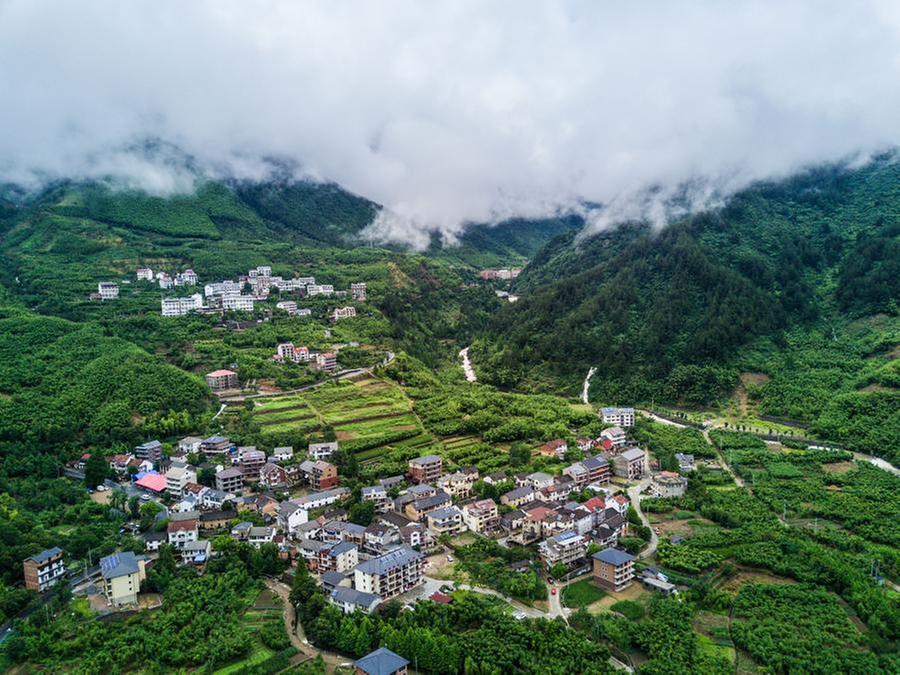
Tianmu Mountain
Introduction
Tianmu Mountain, located in Zhejiang province, is part of a magnificent mountain range that is well-known for its breathtaking natural beauty, rich cultural heritage, and ecological diversity. The area is a significant part of the Tianmu Mountain Range and is renowned for its lush greenery, abundant resources, and serene environment. Over the years, Tianmu Mountain has evolved into a prime destination for nature lovers, cultural enthusiasts, and tourists seeking a blend of tranquility and adventure.
The name "Tianmu" translates to "Heavenly Eyes," attributed to the two pools that resemble eyes on the peaks of the mountains. The mountain's unique topography, with its deep ravines and wide valleys, has carved a picturesque landscape that has inspired artists and poets throughout history. The region is also historically significant, having been home to various ancient cultures and a haven for those seeking respite from the hustle and bustle of urban life.
Tianmu Mountain's ecological significance is underscored by its diverse flora and fauna. Being part of a national conservation area, it harbors a variety of species, some of which are endemic to the region. The mountain's lush forests and clear waters embody the essence of the phrase "lucid waters and lush mountains are invaluable assets," reflecting the harmonious coexistence of nature and human settlements.
In addition to its natural splendors, Tianmu Mountain is steeped in cultural history. It has been a center for Buddhist and Taoist practices, and its influence extends to various aspects of Chinese culture, including art, architecture, and philosophy. The blend of natural beauty and cultural depth makes Tianmu Mountain a unique and cherished location in China.
Major Attractions
Tianmu Mountain is home to a variety of attractions that appeal to diverse interests, from natural wonders to cultural landmarks. One of the most notable natural attractions is the Longtan scenic spot, which offers stunning views of waterfalls and pools nestled within the mountain's lush landscape. The area is ideal for hiking, allowing visitors to immerse themselves in the serene environment and experience the mountain's flora and fauna up close.
Another significant attraction is the Sword Pond, a site immersed in legend and history. It is said to be the place where China’s most famous swordsmith, Ganjiang, forged a pair of legendary swords during the Spring and Autumn Period (770-476 BC). This historical connection adds a layer of mystique to the natural beauty of the place, attracting both history buffs and nature enthusiasts.
Tianmu Mountain is also renowned for its cultural heritage sites, including ancient temples and monasteries. These sites offer insight into the region's spiritual history and the enduring influence of Buddhism and Taoism. The architecture and art found within these sacred spaces reflect the intricate craftsmanship and profound cultural expressions of ancient Chinese civilization.
For those seeking modern comforts amidst natural beauty, the mountain is dotted with charming homestays and eco-friendly resorts. These accommodations often integrate European architectural styles, offering a unique fusion of Western and Eastern aesthetics. Visitors can enjoy the tranquility of the mountain environment while indulging in local cuisine and hospitality.
Furthermore, the Tianmu Mountain area boasts tea plantations and bamboo forests, which are integral to the local economy and cultural identity. Visitors can explore these landscapes, participate in tea-tasting sessions, and learn about traditional bamboo crafts, further enriching their experience of this captivating region.
Cultural Significance
Tianmu Mountain holds profound cultural significance, acting as a bridge between China's historical past and its natural splendor. Throughout history, the mountain has been a source of inspiration and a retreat for scholars, artists, and monks, who sought its peace and beauty to create and meditate. Its cultural landscape is punctuated by Buddhist temples and Taoist sanctuaries, which have been places of worship and pilgrimage for centuries.
The mountain's influence extends beyond spiritual practices; it has also contributed to the rich tapestry of Chinese art and culture. The natural beauty and tranquility of Tianmu Mountain have been captured in traditional Chinese paintings, poems, and calligraphy, immortalizing its presence in the cultural consciousness of the nation. The harmonious relationship between humans and nature promoted by the mountain's environment is a recurring theme in Chinese philosophy and literature, emphasizing balance, peace, and the interconnection of all life.
Tianmu Mountain's cultural significance is further accentuated by its role in the development of traditional Chinese medicine and herbal practices. The area's diverse plant life has been a resource for medicinal herbs used in treatments and therapies, enhancing its status as a place of healing and wellness.








